Shane Gillis Joke Sparks Debate
Chelsea Handler became the target of one of the most talked-about jokes from the 2026 roast of Kevin Hart when comedian Shane Gillis labeled her as “a Zionist” and implied she was a “big fan of dead kids.” Handler later took the stage and told Gillis that “Judaism and Zionism are two different things,” but stopped short of addressing his characterization of Zionism as support for the killing of children. Zionism, which is the belief that the Jewish people have the right to self-determination in their historic homeland, has been increasingly weaponized in online discourse, stripped of its meaning and repurposed as shorthand as blanket support of the Israel government and the war, or even enthusiasm for the killing of children. Many Jews and self-identified Zionists reject that framing as false and a deliberate distortion.
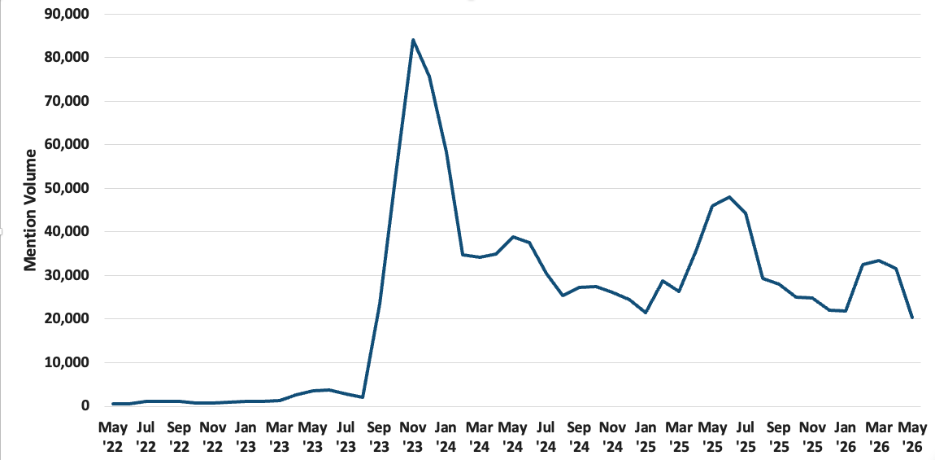
Social Media Mentions Accusing Zionists of Killing Children (3-month average)
Posts Linking Zionists to Child Deaths
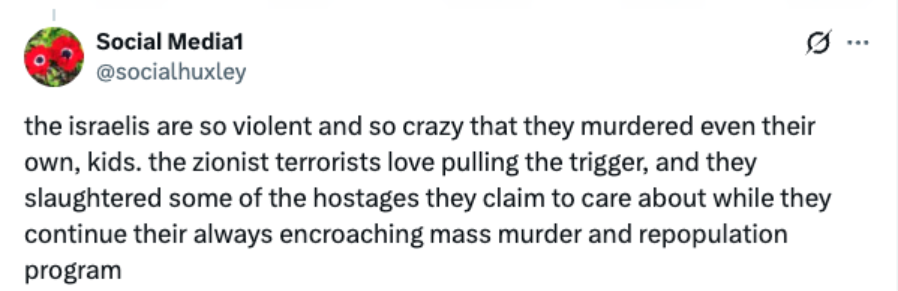
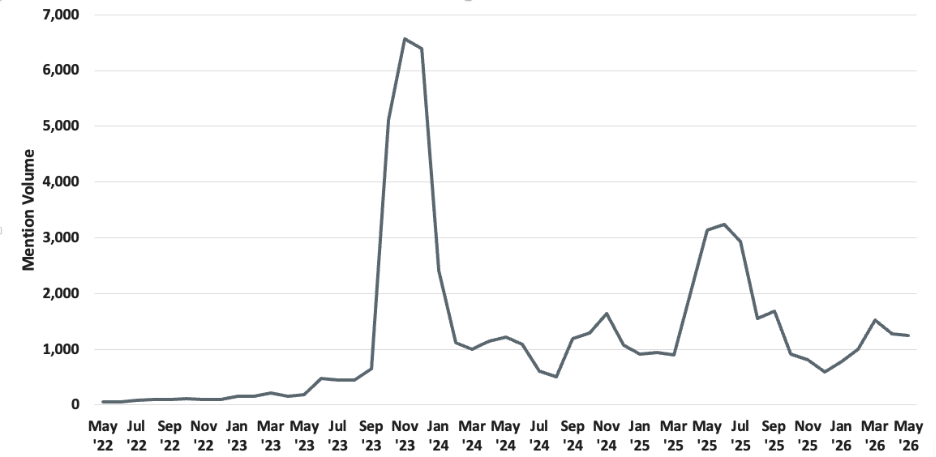
Since October 7, 2023, social media platforms have seen a surge in posts accusing “Zionists” of killing children, while a parallel, smaller stream of rhetoric has gone further and alleged emotional enjoyment of it. These posts claim that “Zionists love dead children,” “enjoy killing babies,” or celebrate the deaths of Palestinian kids.
Modern Echoes of Blood Libel
Accusations that Zionists take pleasure in the killing of children echo elements of the historic blood libel trope, which for centuries falsely portrayed Jews as child murderers and threats to children. While those accusations have circulated online for more than two years, the Gillis joke appears to be one of the first times that idea entered mainstream entertainment through a punchline delivered to a large audience.
Social Media Mentions Accusing Zionists of Enjoying Child Murder (3-month average)
From Social Media to Mainstream Comedy
What makes the Gillis moment notable is not just the joke, but where it occurred. It happened on a mainstream comedy stage, delivered to a mass audience. Language that was once mostly confined to social media ecosystems is increasingly recognizable in pop culture. As more celebrities and entertainers test language that paints “Zionists” collectively as supporters, or admirers, of child killing, social media discourse may continue to normalize and amplify those umbrella accusations.
Jewish Content Flooded With Gaza Comments
This trend also connects to a phenomenon emerging on short form video platforms that the Command Center has begun examining more closely, where videos about Jewish identity, Judaism, or antisemitism that contain no reference to Israel or Zionism are attracting comment sections dominated by references to Gaza, accusations tied to Israeli military actions, or slogans such as “Free Palestine.” In many cases, Jewish identity becomes treated as inherently political, regardless of the content of the video. The spread of rhetoric linking “Zionists” to the killing of children may be part of that wider collapse between Jewish identity, Zionism, and collective guilt now becoming normalized across online culture.
Examples From TikTok Comment Sections
Below are several examples drawn from TikTok videos focused on Judaism or antisemitism that contain no mention of Israel or Zionism in the original content. Despite that, the comment sections shift toward references to Gaza, Palestine, Israel, or accusations directed broadly at Jews in connection with the war.
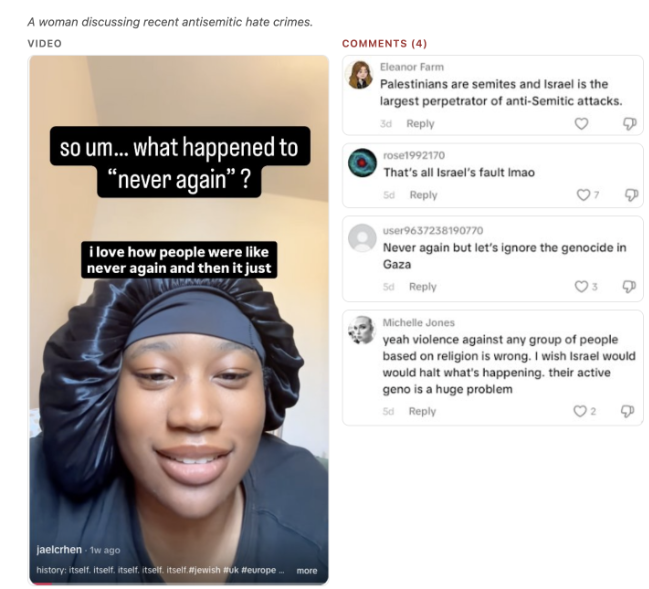
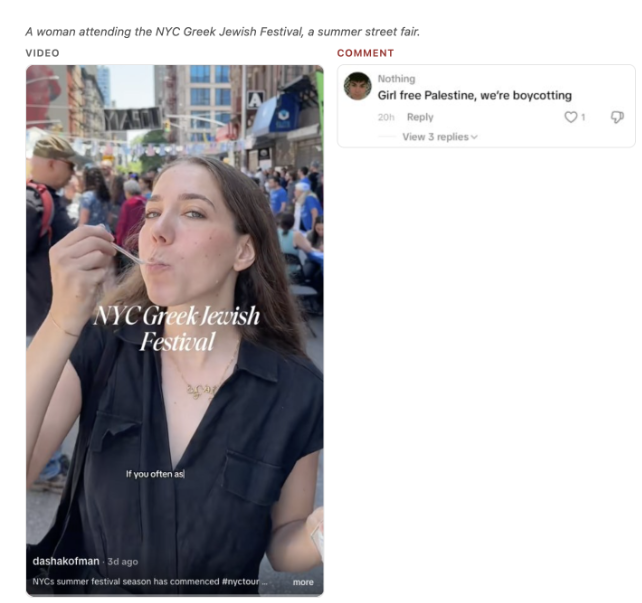
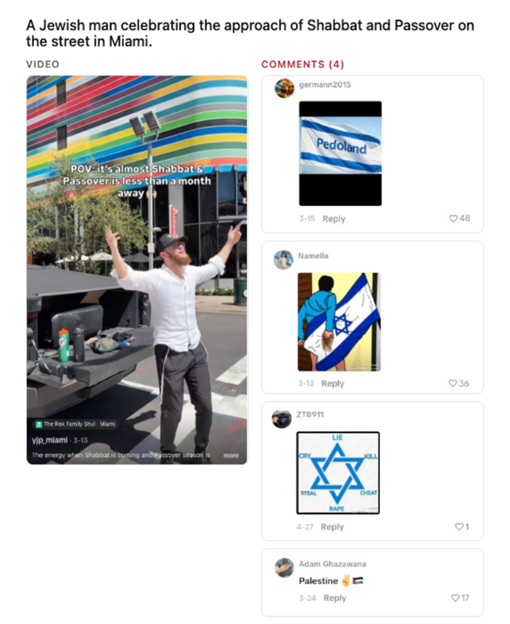
When Jewish Identity Becomes Political
The examples above show how rhetoric initially directed at “Zionists” can, in practice, move one step further and become applied broadly to Jews themselves. In these cases, videos about Judaism, Jewish identity, or antisemitism that contain no reference to Israel or Zionism still attract comments centered on Gaza, Israel, or accusations tied to the war. As distinctions between Jewish identity, Zionism, and support for Israeli government actions continue to converge online, rhetoric once framed as targeting “Zionists” increasingly risks being understood and deployed as commentary about Jews more broadly.