
A new phrase has been spreading quickly across social media: “spiritually Israeli.” According to Know Your Meme, the term has become internet shorthand for something that feels “culturally empty,” becoming a catch-all insult for things seen as overly corporate, or lacking personality. Over the past few weeks, people have been using it in reference to various celebrities, brands, and pop-culture moments. It first took off as a reaction to Taylor Swift’s new album and then resurfaced during the Los Angeles Dodgers World Series win. Our data picked up approximately 50,000 mentions of this phrase over the past two months, showing how much this trend has spread online. It is a go-to phrase to describe something you simply don’t like, due to that thing feeling “cringy” or “too big to fail.” This year, examples tied to the trend include hyper-consumerist products like Dubai Chocolate or Labubu dolls, items that online users mock as “having no soul.”
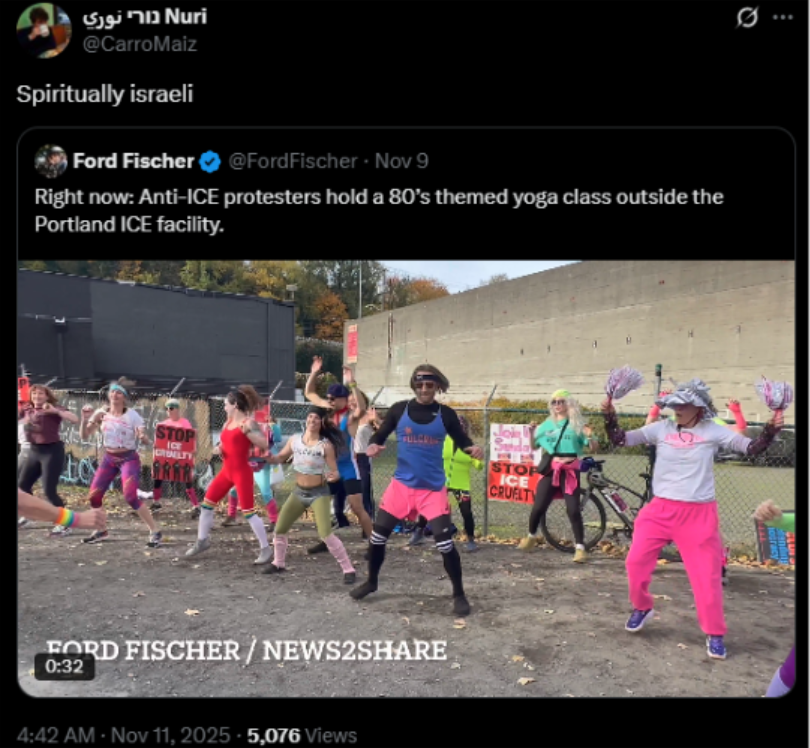
While it may sound like just another quirky meme, this trend has deeper roots. It echoes old antisemitic ideas that painted Jews as “spiritually lacking” or “inferior,” particularly beliefs tied to “Christian supersessionism.” This was an idea that Jews had become “spiritually blind” to the will of G-d, making Christians the true “chosen people.” This belief is considered an erasure of Jewish identity, attempting to label them as “obsolete.” The meme treats Jewishness as a vibe that anyone can paste onto something unpopular, while erasing the real people, culture, and history behind it.
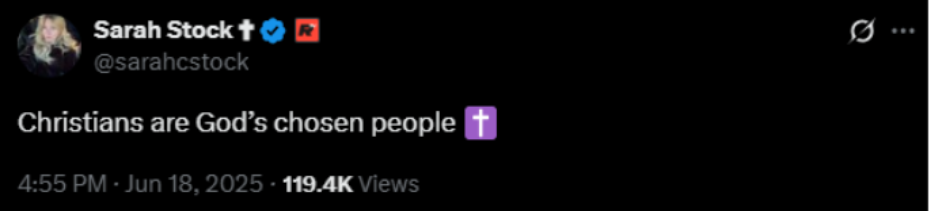
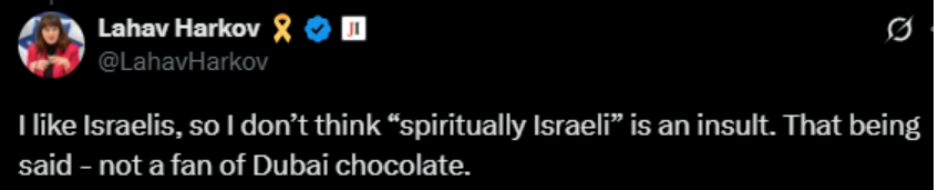
Social media users have various opinions on this trend, with some people casually using the term to insult things they don’t like. Other users expressed their dislike for the trend because they feel it waters down Israel’s actions in the war and in the region more broadly. Very few posts directly address the antisemitic undertones of the phrase, though a handful of opinion articles have pushed back through editorials, arguing that the term should backfire because people ought to feel “proud” to be called “spiritually Israeli.” The trend receives feedback of all kinds from people online, but it’s important to understand that by labeling anything disliked as “spiritually Israeli” it creates a mental fortification that associates Israel, and by extension Jews, as being connected to anything that person deems “cringy” and “mass produced.”

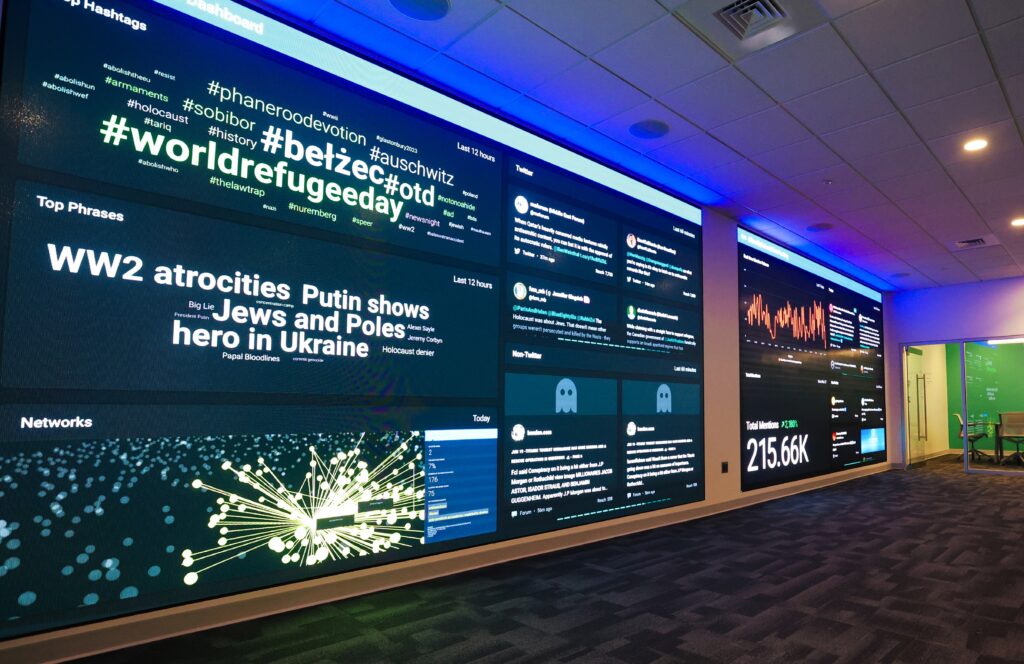
Command Center Insights
The Power of the Comment Section