What is a Meme?
A meme is a piece of content, usually an image, GIF, video, or reaction image, that is shared and reused online. Memes are one of the most common forms of communication on social media platforms, allowing users to quickly express ideas, opinions, and reactions.
Because memes are easy to edit and share, they can spread far beyond their original context. While many memes are created for humor, others are used to promote political messages, conspiracy theories, and hate speech. As a result, memes have become an increasingly important tool for understanding how harmful narratives spread online.
Online hate speech is increasingly communicated through visual culture. Rather than relying solely on explicit slurs or direct attacks, users are spreading hateful narratives through memes, GIFs, stickers, reaction images, and other forms of visual shorthand. These formats allow harmful ideas to travel quickly, adapt to new conversations, and become embedded within everyday online interactions.
The Blue Square Alliance Command Center explored how antisemitic imagery evolves across online platforms and how normalized it is. While difficult to measure directly, this trend is increasingly visible on platforms such as X (formerly Twitter), Instagram, and TikTok, where visual content is often used to communicate hateful narratives without explicit language. Because many of these images, GIFs, and stickers are user-generated, they can be endlessly modified and repurposed to fit current events, political debates, and conspiracy theories.
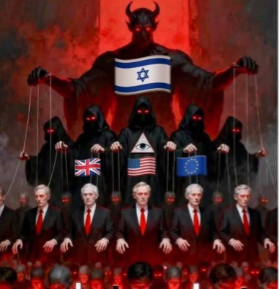
One of the most persistent antisemitic narratives online is the claim that Jewish people secretly control governments, media organizations, financial institutions, or global events. These conspiracy theories often rely on antisemitic dog whistles and false flag claims, portraying Jews as hidden actors manipulating society from behind the scenes. Such narratives have long served as a foundation for antisemitic propaganda and continue to spread through online communities, memes, and conspiracy content.
Among the most recognizable symbols used to promote these ideas is the “Happy Merchant.”
What is the Happy Merchant Gesture?
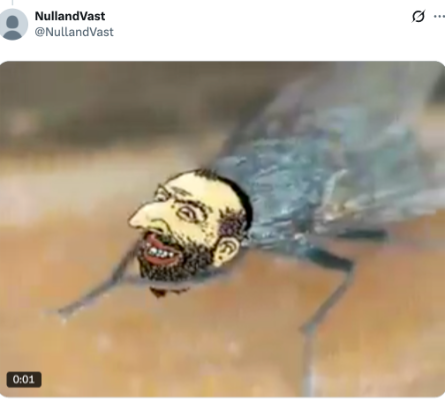
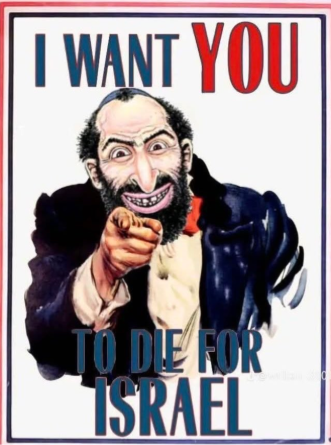
The Happy Merchant is an antisemitic caricature depicting a Jewish man with exaggerated facial features and a smug expression. This image emerged in extremist online communities and became widely adopted across antisemitic spaces. The caricature draws on longstanding stereotypes that portray Jews as greedy, deceptive, manipulative, and motivated by financial gain.
What makes the Happy Merchant particularly notable is its adaptability across different online formats and contexts. The image has evolved beyond its origins into a meme template, reaction image, sticker, and GIF that can be inserted into a wide range of conversations. In many cases, it serves as visual shorthand for antisemitic conspiracy theories, allowing users to communicate hateful ideas without explicitly stating them.


Common Antisemitic Narrative Themes
Regardless of the specific image being used, many examples fall into a handful of recurring themes. As mentioned above, the Happy Merchant appears across these categories below, demonstrating how the same symbol can be adapted to reinforce a wide range of antisemitic stereotypes and conspiracy theories.
Jewish Control and Puppet-Master Narratives: Images portraying Jews as secretly controlling governments, media organizations, political leaders, or global events.
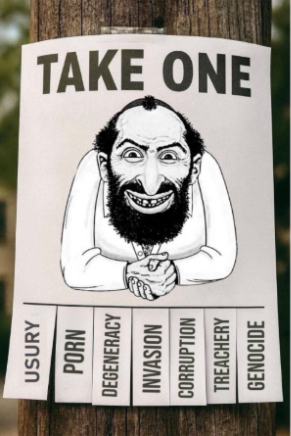

“The Goyim Know” and Discovery Narratives: Content suggesting that hidden truths about alleged Jewish influence have been uncovered or exposed.

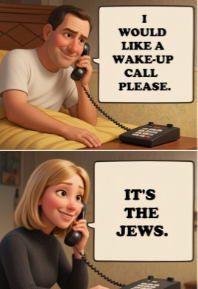

Holocaust and Historical Antisemitic References: Memes that invoke, distort, or trivialize historical antisemitic narratives and events.
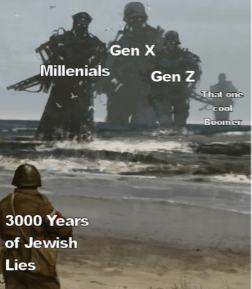
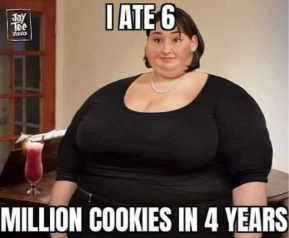
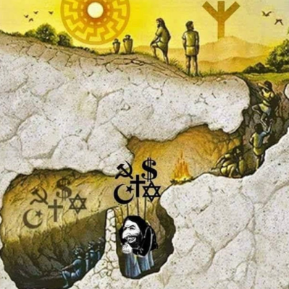
The antisemitic themes these memes are spreading are not new. Many have existed for centuries and continue to resurface digital spaces through new formats and imagery. Understanding the narratives behind these memes is important because the harm does not come from a single image alone, but from the stereotypes and conspiracy theories they reinforce. By recognizing these patterns, users can better identify antisemitic content online and understand how hateful ideas are repackaged and normalized through everyday internet culture.