
False Flag Operation Claims and Antisemitic Rhetoric After the Jewish Museum Shooting in D.C.

Following the fatal shooting of two Israeli embassy employees in Washington, D.C., some social media users began claiming the attack was a false flag operation staged to generate sympathy for Jews and justify Israeli actions. In its aftermath, false flag conspiracy theories rooted in longstanding antisemitic tropes quickly gained traction across online platforms.
Animal Emojis Are Reviving Nazi-Era Tropes Online
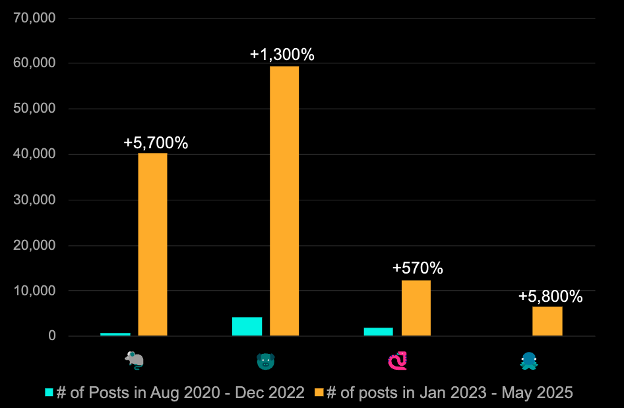
Animal emojis once weaponized by Nazi propaganda are resurging in today’s antisemitic online rhetoric. Our latest analysis reveals explosive growth in rat, pig, snake and octopus emojis used to dehumanize Jews across mainstream platforms.
When Hate Goes Viral: Barstool Bar Incident Ignites Extremist Networks and Online Fundraising
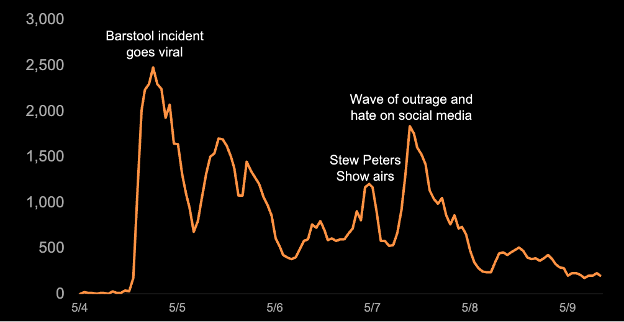
A viral antisemitic incident at a Philadelphia bar triggered national outrage—and a troubling wave of online hate. What began as a local encounter has morphed into a magnet for extremists, conspiracy theorists, and fundraising off bigotry.
Holocaust Denial Adapts for the Social Media Age
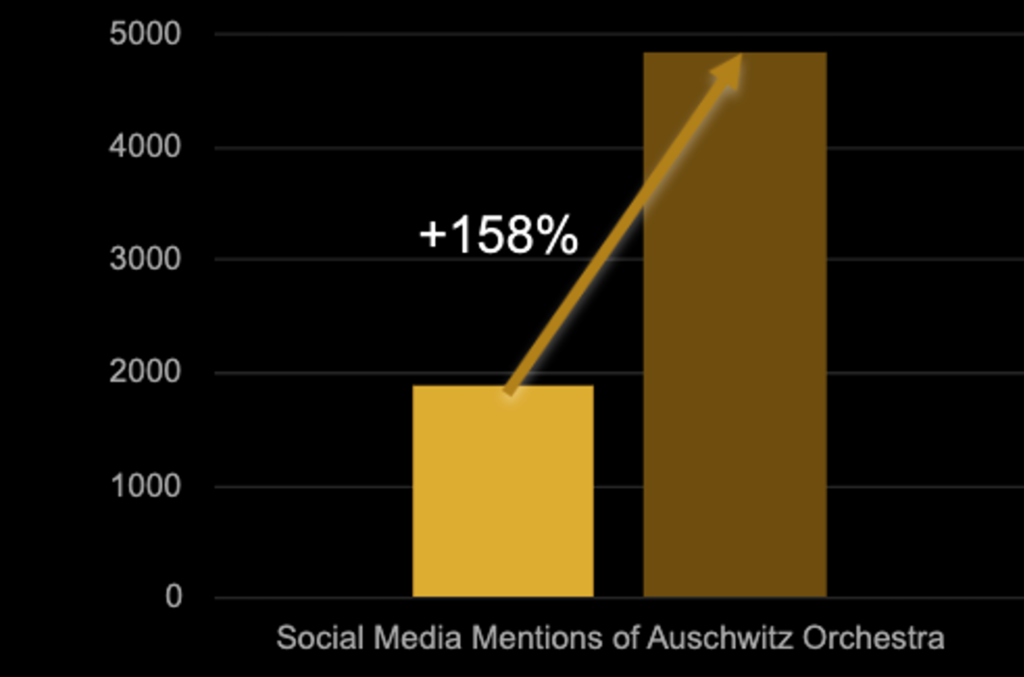
Holocaust denial and distortion are mutating online, where memes, pseudo-history, and other misinformation recycle old conspiracies for new audiences. As the number of living survivors dwindles, the burden of safeguarding historical truth shifts to future generations confronting these digital falsehoods.
From Trend to Hate: The Hidden Language of Emojis Online

Emojis are no longer just playful visuals—they’re being used to spread hate. From 🧃 and 🦎 to 🔻 and 🙋, online communities are embedding antisemitic and conspiratorial messages in everyday symbols to avoid detection.
Conspiracy Myth Deep Dive: The Blood Libel
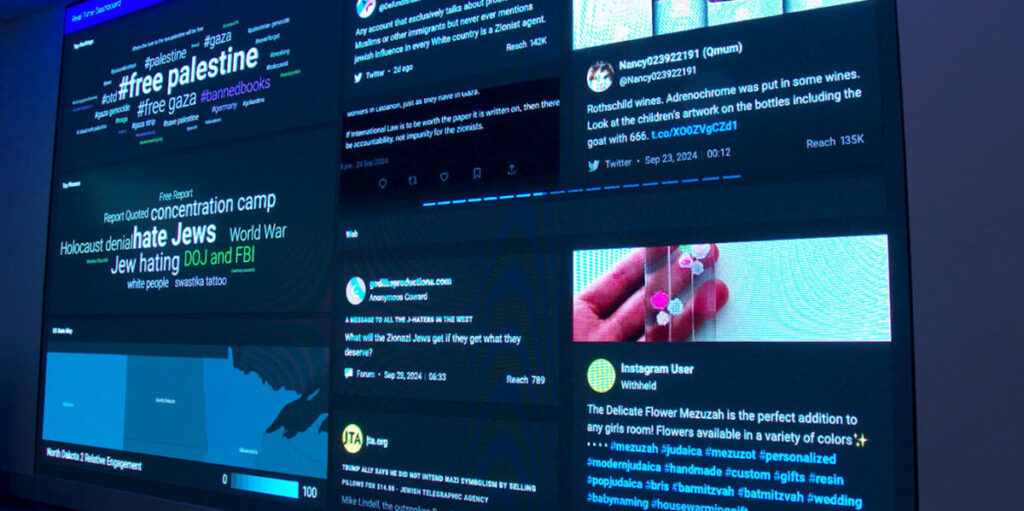
The blood libel hasn’t disappeared—it’s adapted. In modern times, it reemerges as claims that Jews deliberately harm the innocent, echoing old antisemitic myths.
Ask Grok Introduced on X: What Does This Mean for Misinformation?

X’s new AI feature, “Ask @Grok,” has quickly become a central player in online discourse—fielding millions of user questions across all topics. But as antisemitism-related prompts surge, Grok finds itself simultaneously challenging hateful narratives and being manipulated to echo them.
Meta’s Moderation Rollback: A Gateway to Hate

Meta’s rollback of content moderation has opened the door to dangerous hate speech across its platforms. With leaked materials revealing shocking examples of now-permitted posts, experts warn this policy shift will fuel a rise in antisemitic and other hateful content—mirroring troubling trends seen on X.
The Shifting Landscape of Jewish Identity Online
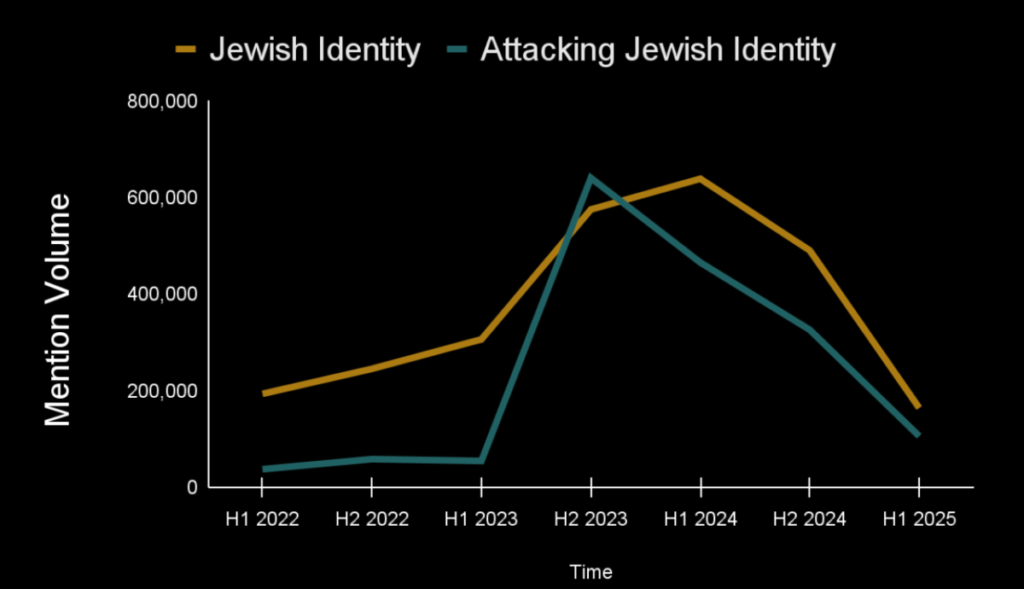
Discussions around Jewish identity online have shifted dramatically since October 7, with cultural pride giving way to concerns about antisemitism and safety. While some have openly embraced their Jewishness, others have altered their behavior out of fear, leading to changes in social interactions, dating dynamics, and public expressions of identity.
Hate Speech in Disguise: Coded Language Becomes More Mainstream

Since 2024, mentions of TJD and its variations have proliferated across social media, with significant increases observed on platforms like X, Reddit, YouTube, and TikTok. This surge has raised concerns among watchdog groups, who warn that the mainstreaming of these coded phrases could further normalize extremist rhetoric.
‘Jews Control’ Conspiracy Theory: Trends and Shifts

The phrase “Jews control ____” reflects one of the oldest conspiracy theories, used online in moderate amounts for over a decade—until 2022. Since then, its usage has surged, growing from around 10,000 mentions per month to 45,000 this past month, the highest in five years.
Ceasefire Discussion Overshadows Hostages on Social Media

A ceasefire and hostage-return agreement has been signed by Israel and the terrorist group Hamas, 468 days after the war began with the deadly October 7th attacks. According to the details of the deal, the initial phase of the ceasefire will last 42 days, during which 33 hostages will be returned to their families and hundreds […]