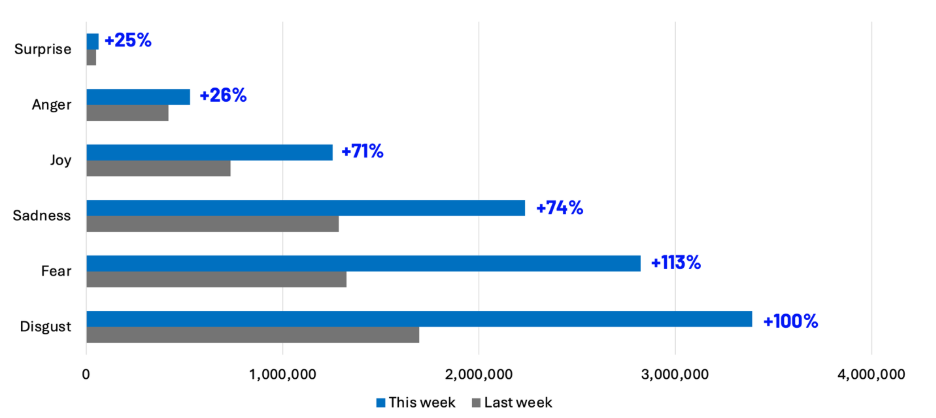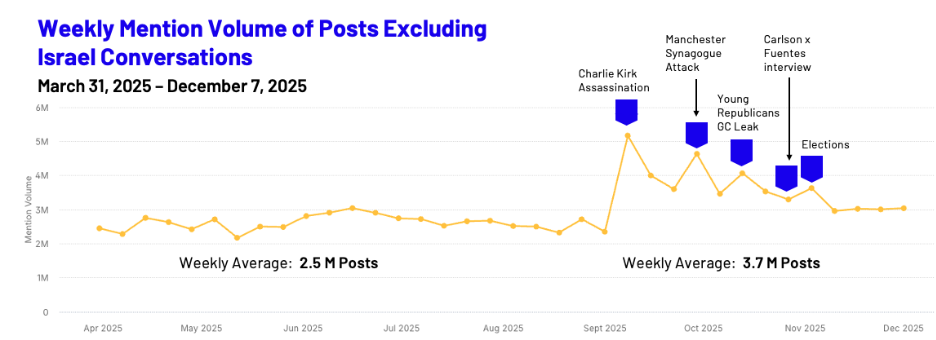
For many in the Jewish community, this has been a week of heightened anxiety. Antisemitic incidents have risen sharply in the U.S. and around the world, and each new act of violence brings a familiar, painful question: Was this connected to antisemitism too? That concern is real, and it shapes how people read the news when something terrible happens.
Over one weekend, tragedy struck two New England academic communities. At Brown University, two students were killed and others wounded in a classroom shooting. At MIT, Professor Nuno Loureiro was shot and killed in his home in Brookline. Families, classmates, and colleagues are still absorbing those losses.
Even as families, classmates, and colleagues grieve, social media has done what it so often does in these moments: fill the space left by unanswered questions with stories that outrun the facts.
On Thursday, December 18 the police identified a suspect and found him deceased at a storage facility in New Hampshire. Authorities believe the suspect was responsible for both shootings. Authorities believe the Jewish community wasn’t the target in these attacks.
MIT: A misidentified account shapes a story
At MIT, Professor Nuno Loureiro, a 47-year-old Portuguese-born physicist and director of MIT’s Plasma Science and Fusion Center, was shot in the foyer of his Brookline building on December 15. He died the next morning at the hospital.
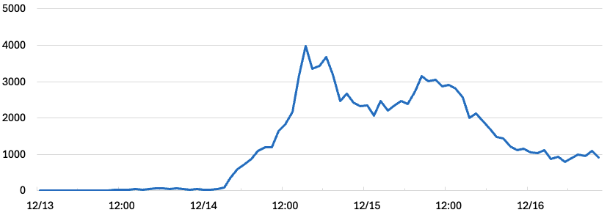
Soon after news of his death broke, a claim began to circulate that Loureiro was Jewish and held pro-Israel views, and that his killing may have linked to antisemitic or anti-Israel beliefs. As we have seen in our Command Center, and has since been reported on in the media, the story appears to have started as a Substack newsletter shared a screenshot of a Meta Threads account under the name “Nuno Loureiro” posting in support of Israel and criticizing Hamas. That screenshot then spread and was cited as evidence that Loureiro was targeted for being Jewish and pro-Israel.
However, a closer look what have revealed more about the identity of the account. We traced the Threads profile featured in the Substack screenshot and subsequent posts. It belongs not to the slain professor, but to a different person with the same name, who lists film crew as his professional in his profile. We also reviewed what we believe to be the professor’s own X account. That account did not contain any clear reference to his religious identity, nor posts that would indicate public positions on Israel, Hamas, or the war.
This revelation alone did not prove that Loureiro was not Jewish, nor did it rule out antisemitism as a factor in his killing. At the time, however, no motive had been publicly confirmed by authorities. Police later said they believe the suspect was familiar with Brown University, having previously studied there, and had been a former classmate of Nuno Loureiro.
Brown: A search for answers, and names online
At Brown, police say a gunman opened fire in an engineering classroom on December 13, killing students Ella Cook and Mukhammad Aziz Umurzokov and injuring nine others.
During the investigation, investigators released video of a masked person of interest and asked the public for help; the FBI has offered a reward, and a person of interest was found.
While that work was unfolding, social media users began speculating about the shooter’s identity and motives, including claims that the attack targeted a Jewish professor, long before any suspect was named. At least one Brown student was accused online despite not being identified by authorities. The student, who holds pro-Palestine views, was not a suspect to the police and had no connection to the shooting, but their name was shared widely in social media.
Pause before we share
In moments like this, each of us has some influence over how far unverified claims travel. A few simple checks can help:
- Does the information make sense? Is this piece of information pass your gut check? If it doesn’t, it is likely not true.
- Who is the source, and how close are they to the story? Is this an official statement or local reporting, or an account far from Brown and MIT?
- Is the post honest about uncertainty? Phrases like “investigators are still determining” or “it’s not yet clear” are signs of care, not weakness.
- Could someone be harmed if this is wrong? Naming a supposed suspect, or tying an entire community to a crime before there’s public evidence, can have very real consequences.
- Use information from organizations doing research and fact checking tools like Snopes, Facing History & Ourselves, and the Blue Square Alliance Against Hate