As hate speech online becomes more coded and extreme, users continue to find new ways to spread antisemitism under the radar. One recent example is the phrase “early life.” On the surface, it seems harmless. But in online spaces, it has become a dog whistle.
The phrase is used to point people to the “early life” section of a celebrity’s Wikipedia page. This section usually covers childhood, family background, and, when relevant, whether someone was raised Jewish or born to Jewish parents. For people who already know the coded meaning, the implication is clear: the user is suggesting that Jewish identity explains behavior they dislike.
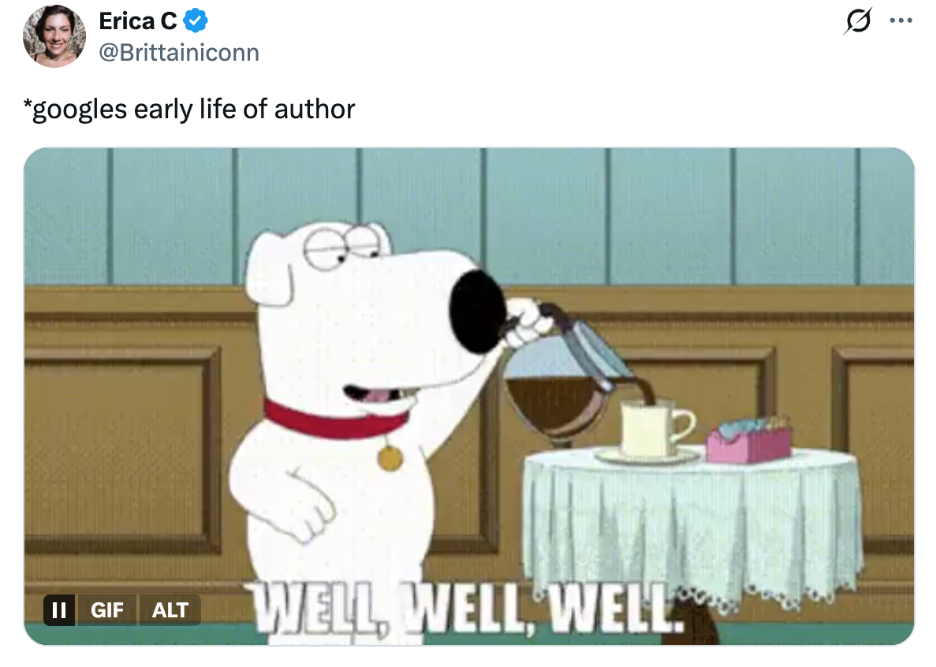
While it is gaining more attention now, this phrase is not new. It has been used quietly by white supremacists online for years. In a 2022 article, a Jewish journalist described being attacked for his writing and noted that strangers were digging through his background. He wrote that this was when he first learned the phrase “early life check.” This early use shows how the phrase has long been used to target Jewish identity.
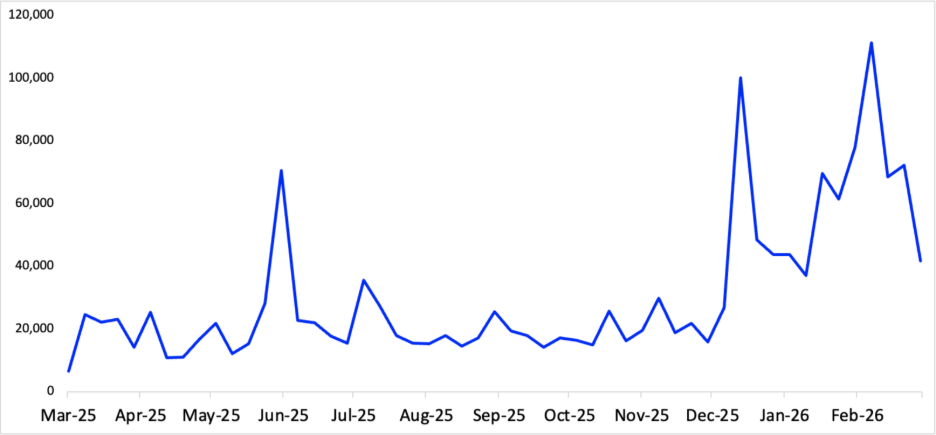
Over the past year, the phrase has appeared around less than1,000 times a week, mostly staying out of mainstream view. However, in late August it suddenly spiked, reaching an estimated 12,000 mentions in one week. This surge followed the ADL adding “early life” to its page on coded hate. Some people misinterpreted this update as an attack on Wikipedia, rather than an effort to highlight how common features can be misused to spread hate.
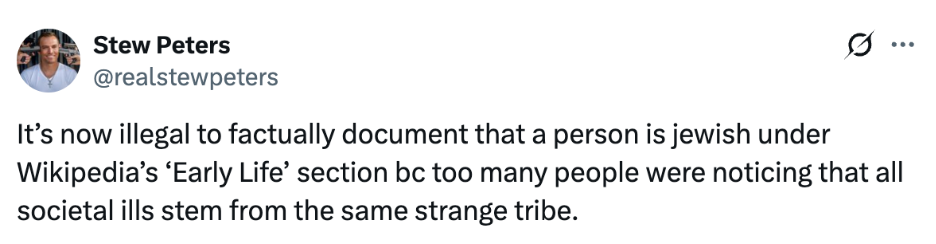
Many of the comments that appeared during this spike were openly negative and antisemitic. Examples included claims that efforts to address coded hate were attempts to hide Jewish identity, or suggestions that simply noting someone is Jewish was being labeled antisemitic. Some users also pushed false claims—such as implying that most harmful statements or actions by public figures can be “explained” by their Jewish background.
The rise of “check their early life” shows how quickly coded language can replace explicit hate online. Instead of using openly antisemitic phrases, some users rely on subtle cues that allow harmful ideas to spread while appearing harmless. Recognizing these shifts is important. As online language evolves, new dog whistles can emerge quickly and spotting them early helps us understand and respond to modern forms of antisemitism.