
Agartha is an imaginary kingdom said to exist inside the Earth, often placed in Central Asia and ruled by the “King of the World.” While it may sound like harmless fantasy, the modern version of the story emerged in late‑1800s Western esoteric writing and was later embraced by Nazi occult thinkers. In the 1930s, Heinrich Himmler and other Third Reich ideologues used myths such as Agartha to support their racial fantasy that so‑called “Aryans” had ancient, semi‑divine origins. The legend became part of a broader effort to give white supremacist ideology a mystical foundation. There is no historical or scientific evidence that Agartha exists, but the myth proved useful as propaganda, and it continues to resurface in extremist spaces today.
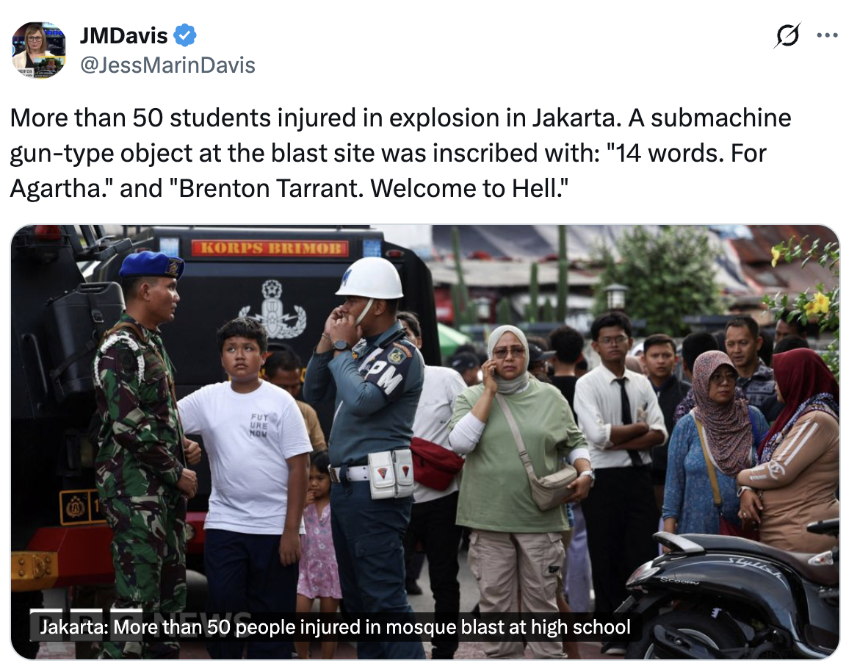
In late 2025, Agartha appeared in connection with real‑world violence. After the November 7 attack at SMA Negeri 72 in Jakarta, Indonesia, where explosions during Friday prayers injured at least 54 people, authorities identified a 17‑year‑old student as the suspect. Police said he got his hands on a toy submachine gun bearing the inscriptions “14 words. For Agartha” and “Brenton Tarrant: Welcome to hell.” Investigators later stated that the teenager had been exposed to white supremacist ideology online, which they believe influenced the attack. “14 words” refers to the white supremacist slogan, “We must secure the existence of our people and a future for white children,” and Brenton Tarrant carried out the 2019 Christchurch Mosque shootings that killed 51 people. In this case, Agartha was not a joke. It appeared alongside explicit references to modern white supremacist terrorism.
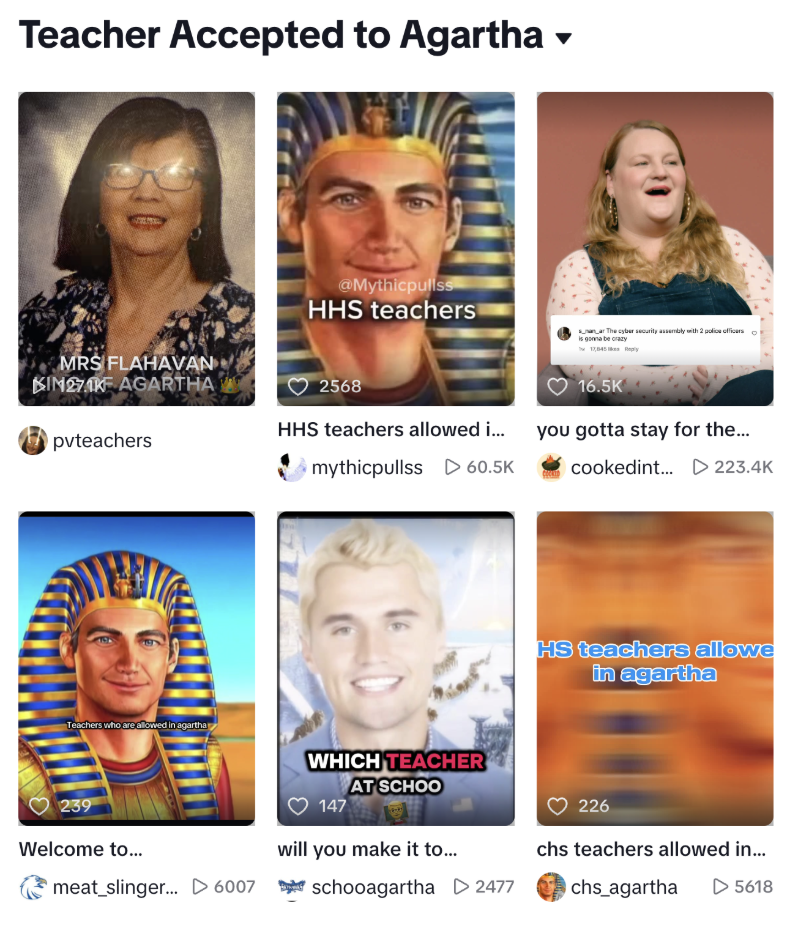
At the same time, the myth was spreading rapidly online, especially among young users on TikTok and Instagram. A reel joking about who would be “welcome in Agartha” became a viral template. When the video circulated on X, most of the comments added to the “joke,” but some of the responses turned antisemitic. Related terms such as Hyperborea and Vril, both tied to Nazi‑influenced occult mythology, appeared in hashtags and replies. Investigations into university‑linked “Agarthan Society” accounts found Nazi symbols, Holocaust‑denial references, and private chats where participants described the content as satire while sharing extremist material.
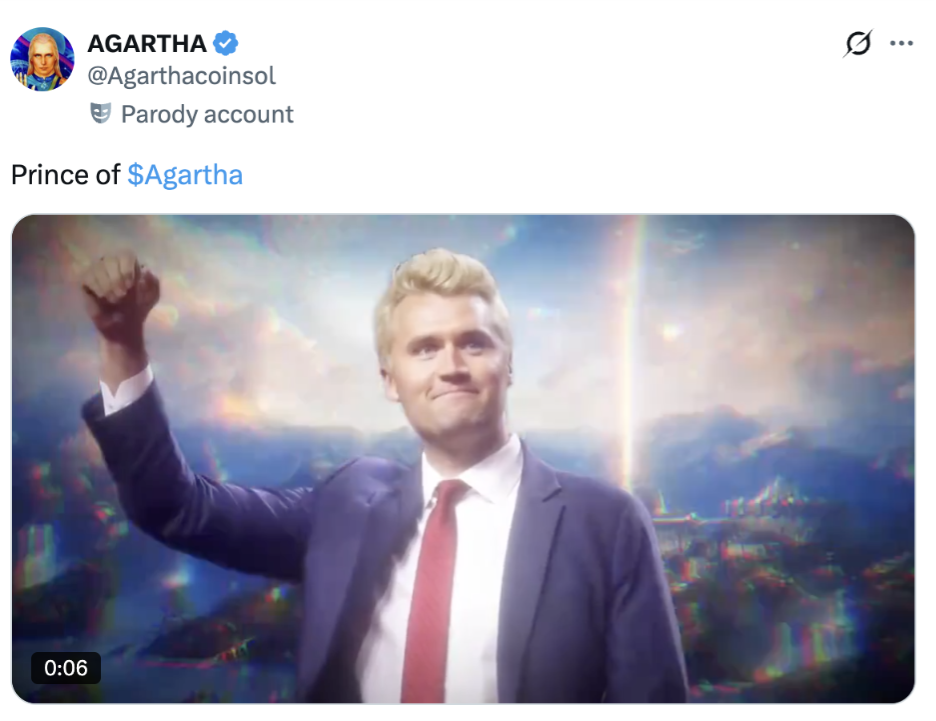
The aesthetic of the meme also carries ideological signals. Agartha edits frequently feature White Monster Energy, the white‑and‑green can that has become an online symbol in certain “ironic” hyper‑masculine and alt‑right subcultures. In many videos, drinking the can “opens a portal” to Agartha, depicted as a glowing, hyper‑Nordic paradise. These clips often mix UFO imagery, blond “Aryan” visuals, and nationalist symbolism. Increasingly, creators use AI tools to insert real public figures into these narratives. Influencers and political commentators, including Logan Paul and Charlie Kirk, have been digitally placed inside Agartha through face swaps and AI voiceovers. Within that stream of edits, Agartha has become one recurring setting, turning extremist mythology into repeatable meme content.
The pattern is clear: a fictional underground kingdom is repurposed to promote white supremacist and antisemitic ideology. What begins as surreal humor or “brainrot” often contains references to Nazi slogans, Holocaust denial, or conspiracy theories about Jews. The mix of irony, youth meme culture, and AI tools makes the content easier to spread and harder to confront. Understanding the history of Agartha, particularly its connection to Nazi racial mythology, is essential to understanding why these online trends are not just strange, but dangerous.



Command Center Insights
How Ruhi Cenet’s Viral Hasidic Brooklyn Video Misled Viewers